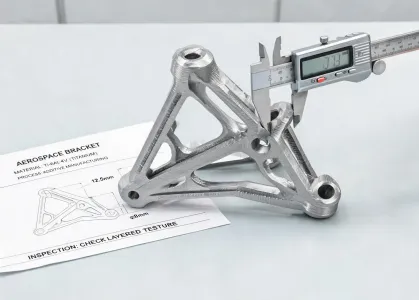
Aerospace and defense
Lightweight brackets, ducting, fixtures, and complex geometry reviewed for traceability, material evidence, and post-processing access.
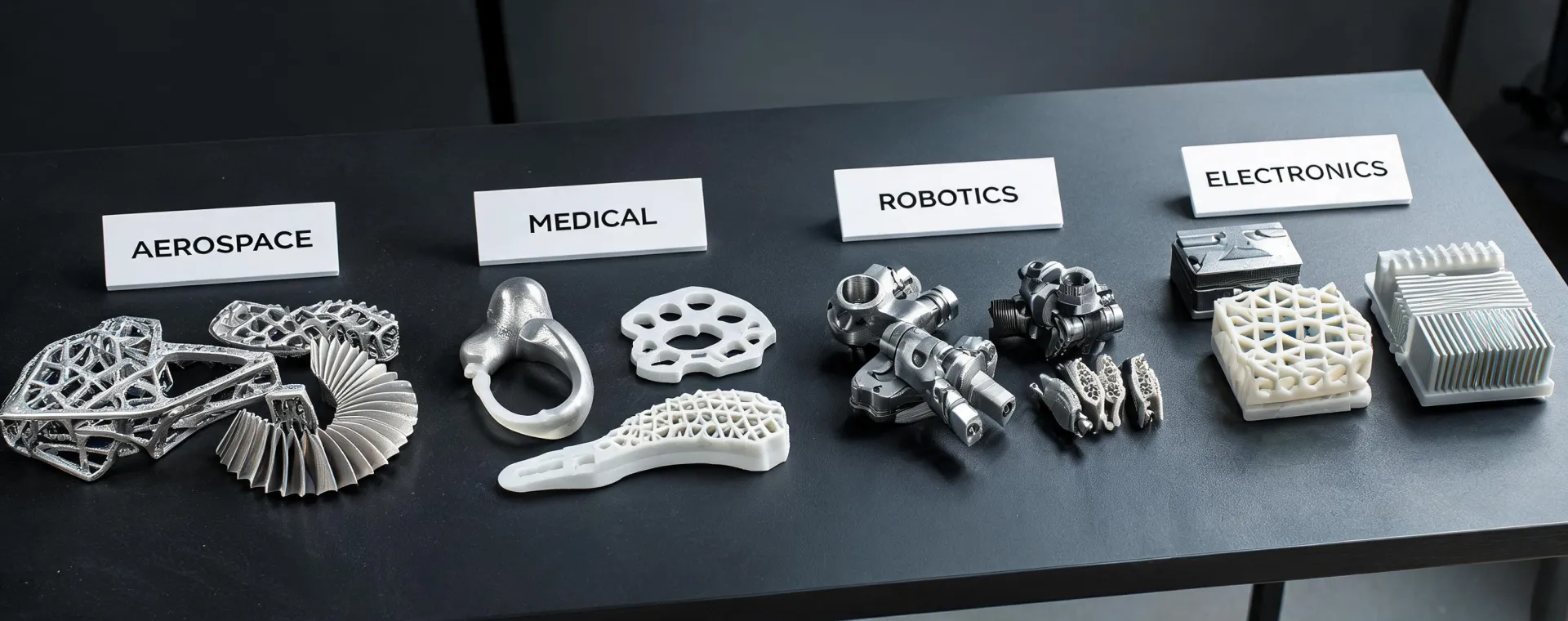
Shapeways keeps the first conversation centered on the use case. Aerospace teams may care about lightweight metal geometry and traceable inspection. Medical device teams may care about ergonomic prototypes and documented materials. Robotics builders often need short-run brackets, covers, and end-effectors. Consumer hardware teams may need appearance models that help stakeholders approve shape and finish before tooling. The same printer category can serve all of those teams, but the acceptance evidence is different, so the RFQ should not be treated as a generic upload. A useful industry review names the part environment, expected duty cycle, compliance pressure, cosmetic threshold, and business reason for using additive manufacturing before choosing a material or finishing route.
Lightweight brackets, ducting, fixtures, and complex geometry reviewed for traceability, material evidence, and post-processing access.
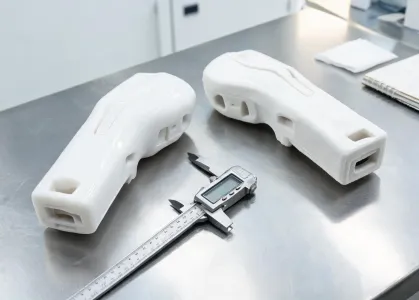
Ergonomic models, housings, guides, and short-run validation parts where surface, clean handling, and documentation expectations must be named early.

End-effectors, guards, sensor mounts, and jigs that need fast iteration, low mass, and repeatability across small production batches.

Appearance models, fit-check assemblies, and pilot builds that help teams validate form before committing to injection molding or machining.
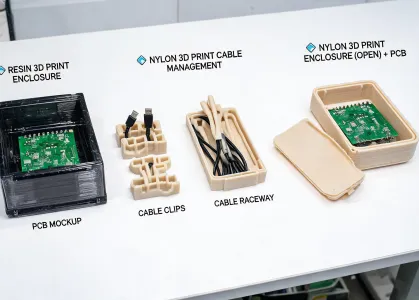
Enclosures, thermal test parts, connector trials, and internal routing studies where detail, repeat order control, and finish are decisive.
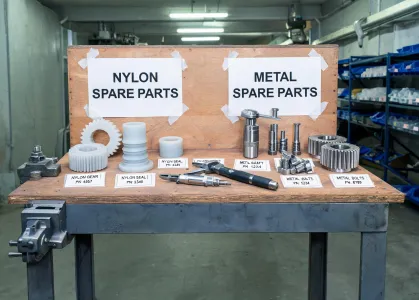
Replacement covers, fixtures, obsolete part trials, and line-side aids where speed matters but geometry and material limits still need review.
The industry label is only a starting point. Add the acceptance standard, environment, quantity, and review deadline so the quote can focus on the right manufacturing evidence.
Discuss application fit